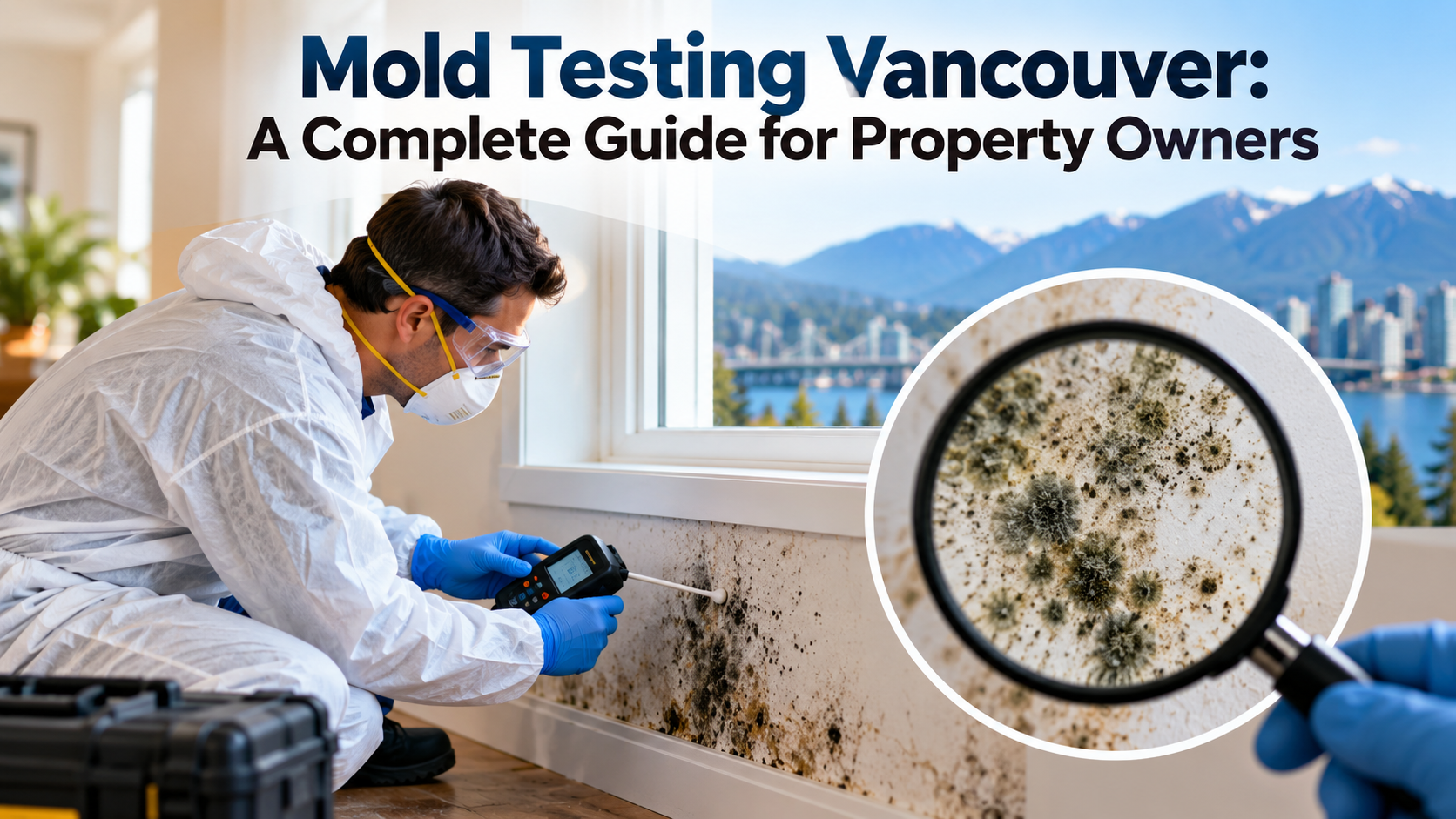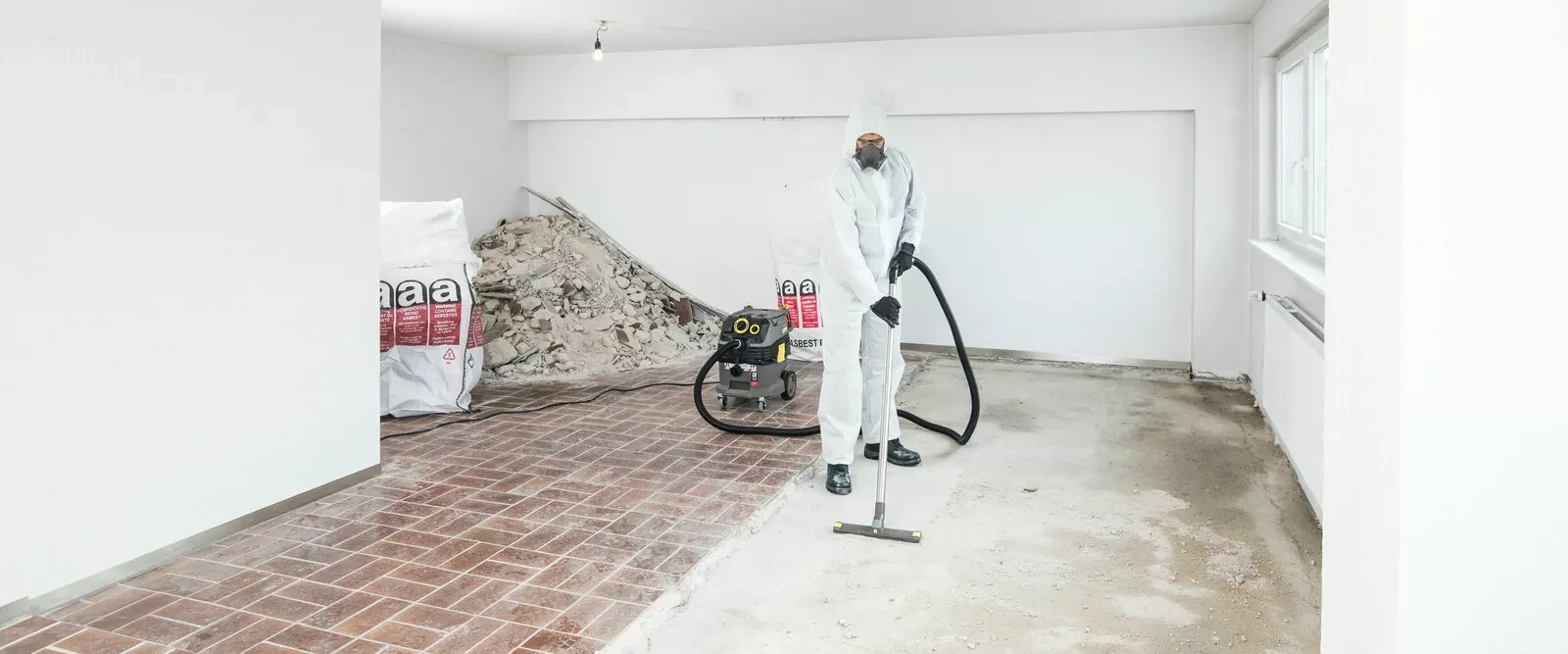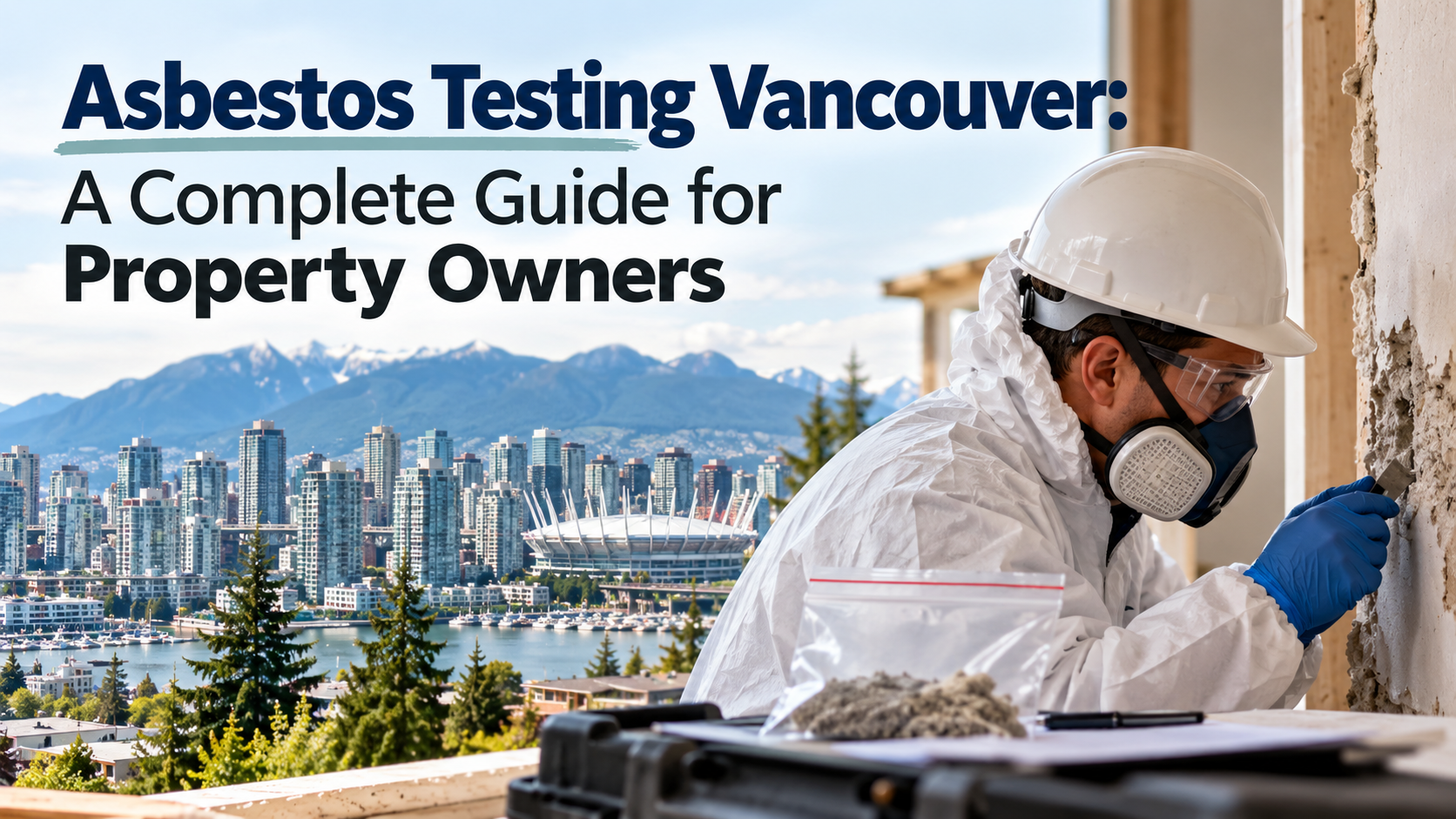
If you own, manage, or are planning to renovate an older property, asbestos testing in Vancouver should be an important consideration before disturbing building materials. Asbestos was widely used in construction because of its strength, durability, insulation properties, and resistance to heat.
When asbestos-containing materials are damaged or disturbed, microscopic fibres can become airborne. Professional asbestos testing in Vancouver can help identify potentially hazardous materials before renovation, demolition, or repair work begins.
What Is Asbestos Testing?
Asbestos testing is the process of identifying materials that may contain asbestos and having appropriate samples analyzed to determine whether asbestos is present.
Asbestos cannot be reliably identified simply by looking at a material. Materials that appear similar may have completely different compositions.
Professional asbestos testing may be considered for materials such as:
- Drywall and joint compounds
- Textured ceilings
- Vinyl floor tiles
- Flooring adhesives
- Pipe insulation
- Attic insulation
- Roofing materials
- Cement products
- Wall and ceiling materials
- Mechanical insulation
If you are unsure whether a building material contains asbestos, professional assessment and testing can help determine the appropriate next step.
Why Is Asbestos Testing Important in Vancouver?
Vancouver has many older residential, commercial, and institutional properties. Some buildings constructed or renovated during periods when asbestos was commonly used may contain asbestos-containing materials.
The main concern is not simply the presence of asbestos. Disturbing asbestos-containing materials can release fibres into the air, creating a potential exposure hazard.
Renovation activities such as cutting, drilling, sanding, scraping, breaking, or demolishing materials can potentially disturb asbestos.
Testing before renovation can help property owners and contractors identify potential hazards and plan the work appropriately.
When Should You Get Asbestos Testing?
Consider professional asbestos testing in Vancouver before:
- Renovating an older home
- Removing walls or ceilings
- Replacing flooring
- Removing insulation
- Remodeling a kitchen or bathroom
- Conducting demolition
- Repairing older building materials
- Performing electrical or plumbing work that may disturb building materials
- Starting a major restoration project
Early testing can help prevent unexpected discoveries during construction and may help with project planning.
Where Can Asbestos Be Found?
Asbestos was incorporated into many different construction products.
Flooring Materials
Older vinyl tiles, sheet flooring, backing materials, and adhesives may contain asbestos.
Ceiling Materials
Some textured ceiling finishes, ceiling tiles, and related materials may contain asbestos.
Insulation
Asbestos may be present in certain pipe insulation, mechanical insulation, and other insulation products.
Drywall and Joint Compound
Some older drywall systems and joint compounds may contain asbestos.
Roofing and Siding
Certain older roofing and siding products were manufactured using asbestos-containing materials.
Because asbestos can be present in many different products, testing should be based on the specific materials and the planned scope of work.
How Does Asbestos Testing Work?
A professional asbestos assessment generally involves several steps.
1. Property Assessment
The property and areas that may be affected by renovation or demolition are reviewed.
The age of the building, construction materials, previous renovations, and planned work may all be considered.
2. Identification of Suspect Materials
Potential asbestos-containing materials are identified.
3. Sample Collection
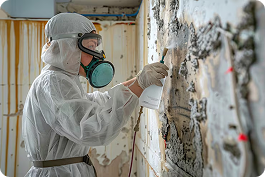
Where appropriate, samples are carefully collected from representative materials.
Sampling should be performed using suitable procedures to minimize the potential release and spread of fibres.
4. Laboratory Analysis
Samples are submitted to an appropriate laboratory for analysis.
Laboratory testing provides evidence of whether asbestos is present in the sampled material.
5. Results and Recommendations
The test results can help determine what precautions or further asbestos management measures may be appropriate before work begins.
Can You Identify Asbestos Yourself?
It is generally not possible to reliably identify asbestos by appearance alone.
A material may look harmless but still contain asbestos. Conversely, a material that looks suspicious may not contain asbestos.
For this reason, professional asbestos inspection and testing in Vancouver can be an important step before disturbing older building materials.
Asbestos Testing Before Home Renovation
Renovating an older home can involve disturbing walls, ceilings, flooring, insulation, or other building materials.
Before beginning renovation work, property owners should consider whether suspect materials could contain asbestos.
For example, removing an old floor may involve disturbing flooring adhesive underneath it. Similarly, removing a textured ceiling may disturb the underlying material.
Testing before construction can help identify potential asbestos hazards and allow appropriate work procedures to be planned.
Asbestos Testing for Commercial Properties
Asbestos concerns are not limited to residential properties.
Commercial buildings, offices, warehouses, retail spaces, industrial properties, and other structures may contain asbestos-containing materials depending on their age and construction history.
Property managers and business owners planning renovations or demolition should consider appropriate hazardous-material assessments before work begins.
What Happens If Asbestos Is Found?
Finding asbestos does not automatically mean that the entire building needs to be removed or demolished.
The appropriate response depends on factors such as:
- Where the asbestos is located
- The condition of the material
- Whether it will be disturbed
- The planned renovation work
- The amount of material involved
- Applicable regulatory requirements
Depending on the circumstances, options may include leaving the material undisturbed, managing it in place, encapsulation, or professional asbestos removal.
Asbestos Testing vs. Asbestos Removal
These are two different stages of asbestos management.
Asbestos testing determines whether a suspected material contains asbestos.
Asbestos removal involves the controlled removal of asbestos-containing materials when removal is necessary.
Testing can therefore be an important first step before deciding how to manage a suspected asbestos hazard.
Why Choose Professional Asbestos Testing?
Professional testing can help property owners:
- Identify potential asbestos-containing materials
- Make informed renovation decisions
- Reduce the risk of unexpected asbestos discoveries
- Plan appropriate construction procedures
- Understand whether further asbestos management may be necessary
Attempting to disturb or remove suspicious materials without proper assessment can create unnecessary risks.
Asbestos Testing Vancouver: What Property Owners Should Know
If you are renovating an older Vancouver property, do not assume that a material is asbestos-free simply because it looks normal.
Before cutting, drilling, sanding, scraping, or demolishing suspect materials, consider whether asbestos testing is appropriate for the project.
A professional assessment can help you understand what materials are present and what steps may be required before renovation work proceeds.
Frequently Asked Questions About Asbestos Testing Vancouver
How much does asbestos testing cost in Vancouver?
The cost of asbestos testing varies depending on the size of the property, number of materials requiring sampling, accessibility, laboratory analysis, and the scope of the assessment.
The best way to determine the cost is to request a project-specific estimate.
Is asbestos testing required before renovation in Vancouver?
Requirements depend on the building, materials involved, and type of renovation or demolition work. Applicable British Columbia occupational health and safety requirements should be reviewed before disturbing potentially hazardous materials.
Can asbestos be present in an old house?
Yes. Older homes may contain asbestos-containing materials in flooring, insulation, ceilings, drywall compounds, roofing products, and other building components.
Can I take an asbestos sample myself?
Sampling suspect asbestos-containing materials can disturb the material and potentially release fibres. Professional sampling is recommended when asbestos is suspected.
Does every building with asbestos require asbestos removal?
No. Depending on the condition and location of the material and whether it will be disturbed, management in place may sometimes be appropriate. A qualified professional can help determine the appropriate approach.
How long does asbestos testing take?
The timeframe depends on the number of samples, laboratory turnaround time, property size, and scope of the assessment.
What should I do if I suspect asbestos?
Avoid disturbing the suspected material and arrange an appropriate professional assessment before beginning work that could damage or disturb it.
Get Professional Asbestos Testing in Vancouver
Planning a renovation, demolition, or major repair project?
If you are concerned about asbestos-containing materials in your Vancouver property, professional testing can help you make informed decisions before construction begins.
Contact Ace Environmental to discuss your asbestos testing requirements in Vancouver.